Give Your Space a Makeover: Expert Paint Service Provider Services
Revamping a space can considerably enhance a home's look and worth. Professional paint professionals offer skill that DIY efforts often lack. They comprehend color psychology and painting methods, guaranteeing a polished finish. Choosing the right contractor involves assessing various factors, from surface preparation to paint finishes. However, the decision between hiring a professional and tackling it alone can be complex. What should homeowners focus on when transforming their environments?
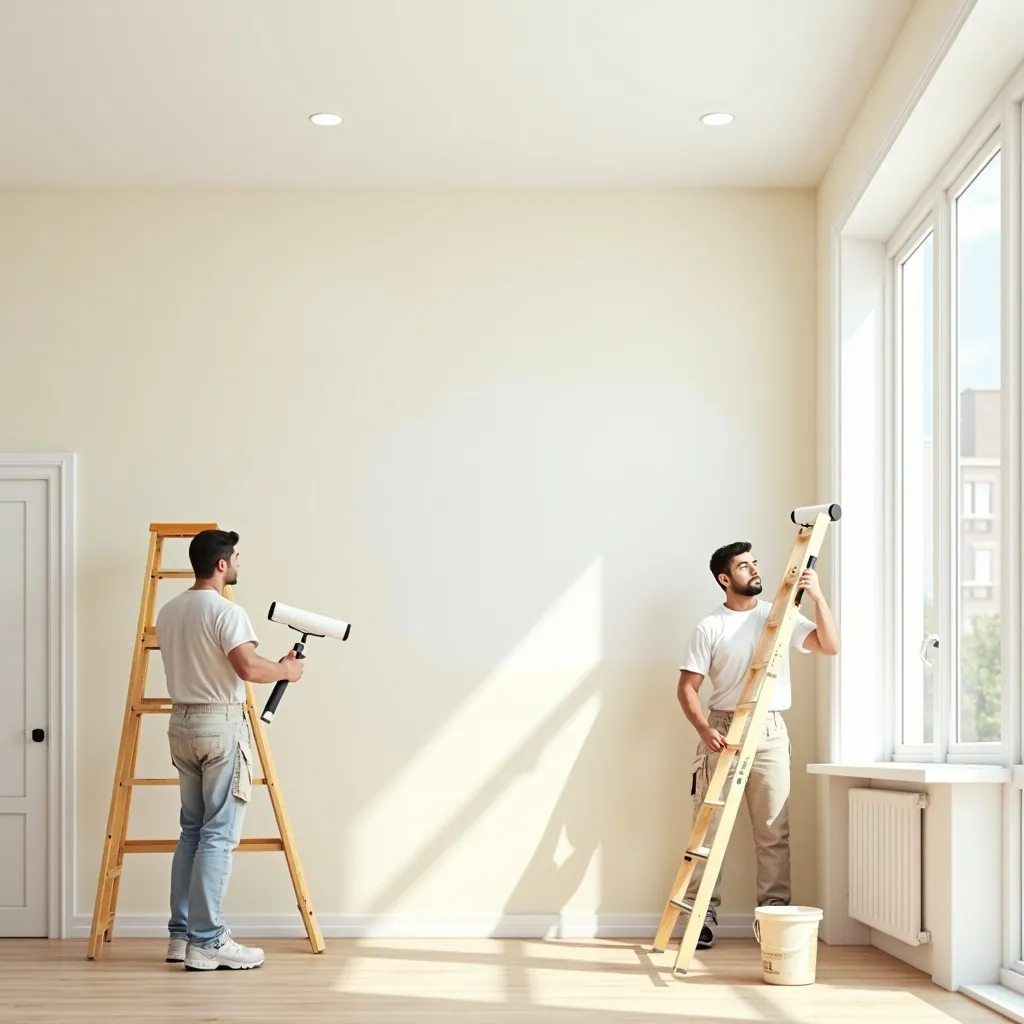
Why Opt for Expert Services? Evaluating DIY vs. Hiring a Contractor?
When contemplating a paint job, one must ask: is it deserving of the time and energy to tackle it alone, or should a professional be brought on board? Weighing the options reveals distinct advantages to employing a professional. Professionals bring expertise, guaranteeing high-quality results that can improve the aesthetic appeal of a room. They have the necessary tools and equipment, minimizing the risk of mishaps that can occur during a DIY project.
Moreover, hiring a professional can preserve significant time, permitting homeowners to focus on other matters. Professionals are skilled in surface preparation, application techniques, and finish options, which are essential for a long-lasting outcome.
Conversely, a do-it-yourself approach may appeal to those seeking budget savings or a personal touch. However, the potential for errors and the time investment involved may surpass the perceived advantages. Ultimately, the decision is based on specific circumstances and intended results.
How to Select Colors According to Psychological Principles for Your Space
Picking shades for a area involves understanding the concepts of psychological color theory, which can substantially influence moods and actions. Warm colors generally produce excitement and heat, while cool colors promote calmness and tranquility. By selecting hues thoughtfully, people can form the desired atmosphere for their environment.
Color Psychology Overview
Grasping color psychology is important for designing spaces that evoke intended feelings and actions. Colors impact emotions, awareness, and even work output. For example, blue is often related to peacefulness and is ideal for bedrooms or offices, fostering a tranquil environment. Conversely, yellow can stimulate inventiveness and energy, making it fitting for artistic spaces such as studios or playrooms. Green symbolizes nature and balance, promoting relaxation and is effective in living areas. Red, while invigorating, can also cause excitement or urgency, which may be ideal for dining rooms or entertainment areas. By carefully choosing colors based on psychological effects, individuals can transform their spaces into places that align with their emotional and functional needs, enhancing overall well-being.
Warm compared to Cool Colors
Color selection is crucial in creating the atmosphere of a space, with warm and cool colors providing unique psychological purposes. Warm colors, such as reds, oranges, and yellows, produce feelings of dynamism, warmth, and comfort. They are often used in social spaces to foster interaction and create a welcoming atmosphere. In contrast, cool colors like blues, greens, and purples support calmness, tranquility, and introspection. These hues are frequently chosen for bedrooms and offices, where relaxation and focus are desired. Understanding the emotional impact of these color families permits individuals to make informed choices, ensuring that the selected palette aligns with the intended mood and functionality of the space.
Forming a Ideal Setting
While personal preference often shapes the choice of colors, the emotional impacts of different shades can markedly influence the atmosphere of a room. Warm colors like red and yellow summon warmth and energy, making them suitable for social areas such as living rooms or kitchens. Conversely, cool hues such as blue and green encourage calmness and serenity, making them ideal for bedrooms or study spaces. Neutral tones provide flexibility, offering a harmonious background that can adapt to various moods. Being aware of these mental effects helps individuals make informed choices, ensuring that their environment displays the preferred atmosphere. By consulting a certified painter, one can successfully carry out these color strategies, improving the overall experience within the space.
Types of Paint Finishes and Their Top Uses
Recognizing the various kinds of paint finishes is critical for achieving the desired aesthetic and performance in a space. Matte finishes present a subtle elegance, ideal for low-traffic areas, while glossy finishes provide a striking, reflective quality appropriate for high-impact surfaces. Satin finishes combine elements of both, making them dynamic choices for diverse applications.
Matte Finish Rewards
A flat finish captivates homeowners and designers alike with its understated elegance and versatility. This type of paint offers a soft, non-reflective surface that can improve the ambiance of any room. The ability to mask imperfections makes it popular for walls and ceilings, forming a sophisticated backdrop for many decor styles. In addition, matte finishes are frequently selected for their rich color depth, leading in a warm and inviting atmosphere. They prove especially useful in low-traffic areas since they are less prone to display scuffs or fingerprints. While not as durable as glossier options, modern formulations offer improved washability, making matte finishes a practical choice for those seeking both aesthetic appeal and functional performance in their spaces.
Glossy Finish Applications
Glossy finishes deliver a striking contrast to matte options, introducing a luminous finish that can enhance both visual and practical aspects of connected information a space. These finishes are particularly well-suited for areas prone to moisture, such as kitchens and bathrooms, due to their resistance to stains and simple maintenance. In addition, glossy paints reflect light, which can create an illusion of a larger space and improve natural lighting. They are ideal for highlighting architectural details or accent walls, adding depth and dimension. Additionally, glossy finishes can impart a contemporary feel to furniture and cabinetry, making them a popular choice for contemporary designs. Overall, the application of glossy finishes can greatly transform the atmosphere of any room.
Satin Coating Versatility
Satin finishes create a harmonious balance between matte and bright options, rendering them a multipurpose solution for various applications. This finish is ideal for frequently used spaces such as hallways and living rooms, where durability is essential. It prevents staining and is easy to clean, making it suitable for kitchens and bathrooms as well. The soft sheen of satin paint reflects light beautifully, enhancing the aesthetic appeal without being overly shiny. Additionally, it works well on both walls and trim, providing a cohesive look throughout a space. Professional painting contractors often recommend satin finishes for their effectiveness in masking flaws while adding a subtle depth to color, making them a popular choice among homeowners seeking a polished yet approachable look.
The Key Role of Getting Surfaces Ready Before Painting
Although many might overlook it, surface preparation is an indispensable step in achieving a accomplished painting project. Properly preparing surfaces guarantees that paint fastens effectively, heightening durability and aesthetics. This process typically involves cleaning, sanding, and repairing surfaces to eliminate imperfections.
Dust, grease, and old paint can hinder new layers from adhering correctly, causing peeling and uneven finishes. Additionally, rough surfaces can cause the paint to degrade prematurely, shortening its lifespan.
What Occurs Throughout a Qualified Paint Job?
A professional paint job demands a set of clear steps that deliver a high-quality finish. First, the contractor evaluates the space, identifying any important repairs or surface preparations. This involves filling holes, smoothing rough surfaces, and cleaning surfaces to maximize optimal adhesion. When the preparation is complete, the team uses drop cloths and tape to shield furniture and trim, creating a clean working environment.
Next, coat is regularly used to strengthen the depth of color and durability. After the primer dries, the designated paint is meticulously applied, typically with brushes, rollers, or sprayers, depending on the surface and the desired finish. Several applications may be necessary for even coverage. Finally, the contractor does a careful inspection, retouching any imperfections. Once the job is concluded, the workspace is cleaned, and the homeowner is advised on care and maintenance, confirming the newly painted space appears spotless and lasts for years.
What Amount Should You Expect for Expert Paint Services Work?
What should one expect to invest in painting contractor services? The expense of engaging a painting service provider can vary greatly based on numerous considerations, such as the dimensions of the space requiring painting, the quality of paint selected, and the complexity of the project. On average, homeowners might pay between $2 to $6 per square foot for interior painting. For exterior projects, costs can range from $1.50 to $4 per square foot, depending on site readiness and accessibility factors.
Additional financial obligations may occur from high-end finishes or detailed work, like trim or cabinetry. Labor fees typically comprise a substantial portion of the total expense, reflecting the experience and skill of the contractor. Moreover, collecting various quotes can provide a clearer understanding of the competitive pricing and help in making an informed decision. Overall, putting resources into professional painting services can enhance the aesthetic appeal and value of a home.
Recommendations for Keeping Your Newly Painted Walls and Surfaces in Top Shape
Maintaining newly painted walls and surfaces is essential for protecting their appearance and durability. Frequent upkeep should be a focus; mild soap and water can effectively remove dust and stains without harming the paint. Homeowners are recommended to steer clear of harsh cleaning products, as these can mar or diminish the finish.
It is also advantageous to regularly examine walls for evidence of deterioration or harm. Addressing issues like scuffs or peeling promptly can prevent further deterioration. When refreshing the paint, precisely matching the color is essential for flawless touch-ups.
Controlling the environment is highly important; maintaining balanced humidity levels and temperature helps prevent paint from cracking or fading. Additionally, using furniture pads can protect walls from scratches resulting from moving furniture. By following these tips, homeowners can ensure their painted surfaces stay vibrant and fresh for years to come.
Common Questions That Are Asked
What Period Does a Standard Expert Painting Work Typically Require?
A standard professional painting job usually takes 1-5 days, depending on elements like project size, prep work, and cure period. Larger or more complex jobs may extend this timeframe considerably.
Do Expert Painters Supply Their Own Supplies and Tools?
Yes, professional painters usually provide their own supplies and tools. This guarantees excellence and smooth operations, permitting them to finish assignments productively while employing the suitable tools and supplies needed for a successful painting job.
May I stay in My house Throughout the Painting Process?
Yes, homeowners can normally stay in their residences during the painting process. However, they should be prepared for some disruption, like noise and odors, and may need to avoid certain areas for safety and convenience.
What Should I Need to Do to Ready My Room Before Painters Arrive?
Prior to painter arrival, one must set up the space through eliminating furniture, laying drop cloths across floors, cleaning surfaces, stabilizing fragile items, and guaranteeing adequate ventilation. These steps allow for a better painting process and shield belongings.
Can you find sustainable paint selections from painting services?
Yes, plenty of contractors supply sustainable paint alternatives. These paints are low in volatile organic compounds (VOCs) and composed of natural ingredients, delivering a healthier environment. Homeowners are prompted to inquire about these sustainable choices during appointments.